
Heart is Hiring a REsearch Scientist! • Read More & Apply


Research
The HEART Initiative envisions a world where intelligent systems are engineered for human readiness, enabling people and technology to perform together at their full potential. Our multidisciplinary research investigates how technology can best support and augment human workers. Our process uses a human readiness level (HRL) scale that ensures innovative technologies are designed, evaluated, and adopted for real human environments.

Our Capabilities
Analyzing Assessment, Design, and Deployment
Our research is people-centered and evidence-driven. We measure how humans work with technology, collecting data from physical ergonomics and fatigue to cognitive workload, safety, and trust across a range of intelligent systems.

Human–AI Teaming & Trusted Autonomy
Understanding how humans and AI can best work together, prioritizing trustworthiness and human readiness.

Human Performance, Health, & Wellbeing
Improving physical and neuroergonomics to optimize human safety, cognition, and performance.

Immersive Learning & Digital Twins
Pairing virtual, augmented, and mixed reality with wearables to improve workforce and team training.

Safety, Risk, & Resilient Systems
Utilizing human-factors evaluation for better safety, reliability, and situation awareness in complex systems.

Embodied AI & Automation
Analyzing how humans can safely interact with and be augmented by collaborative robotics and physical AI.

Workforce
Development
Building a knowledgeable workforce ready to train and perform with advancements in AI, robotics, and automation.

Featured Projects
Building Human-Centered Solutions
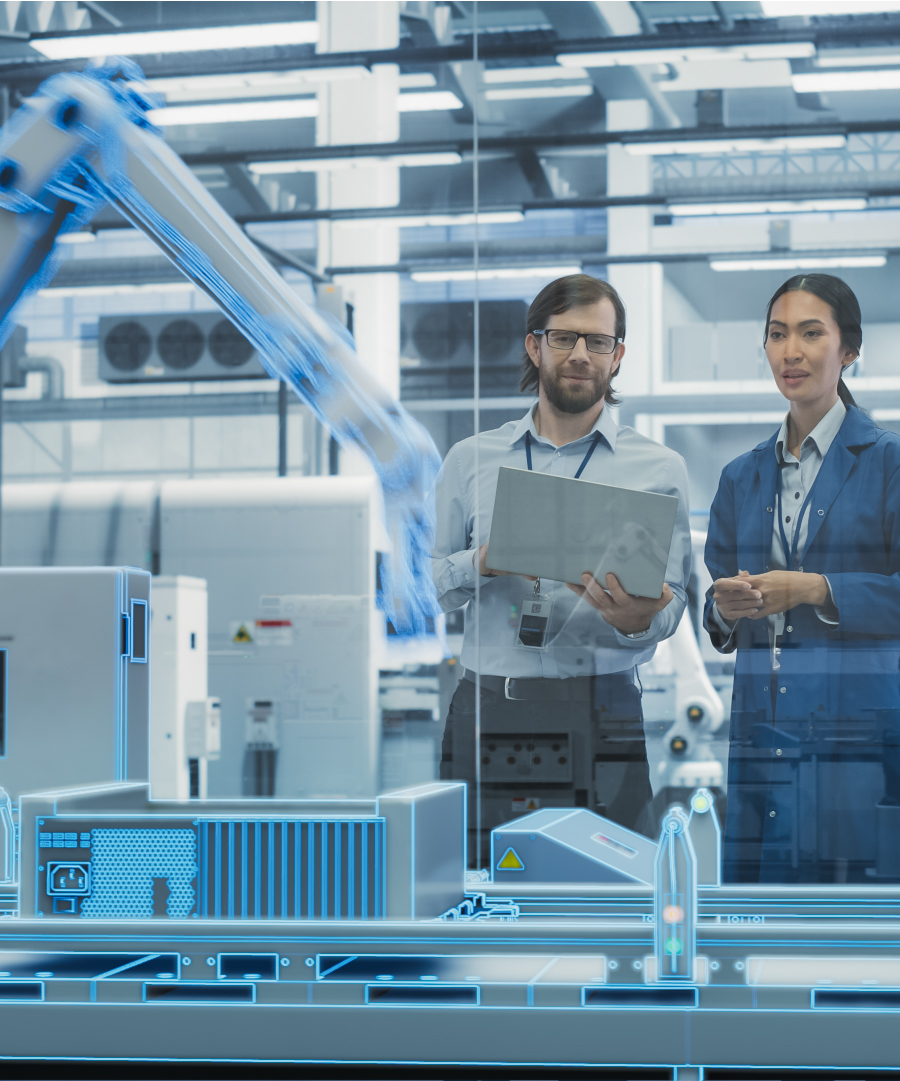
Neurophysiological Predictors of Team Trust
Ranjana Mehta
Predicting how trust develops, changes, and influences performance in human-AI teams using behavioral, physiological, and neural measures.
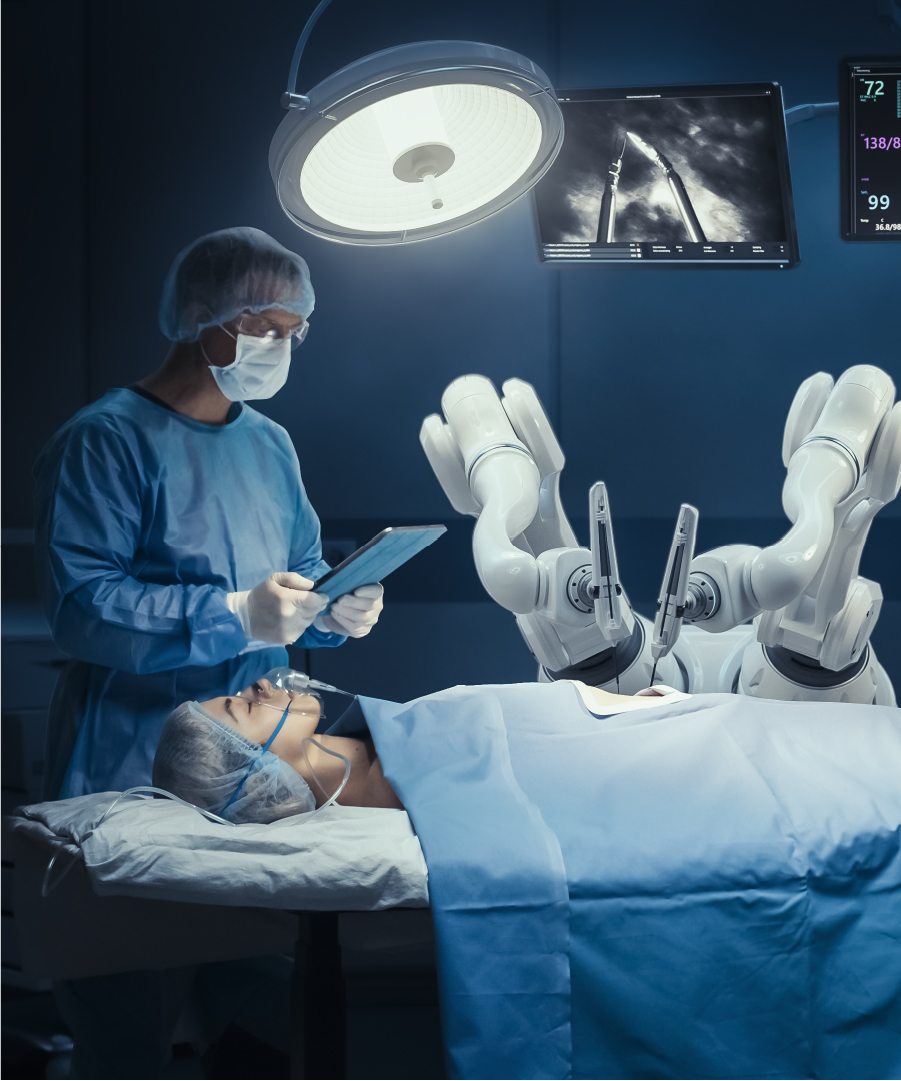
Future Robotics Surgery
Jackie Cha
Reimagining how people and intelligent robotic systems collaborate to deliver safer, more effective surgical care.
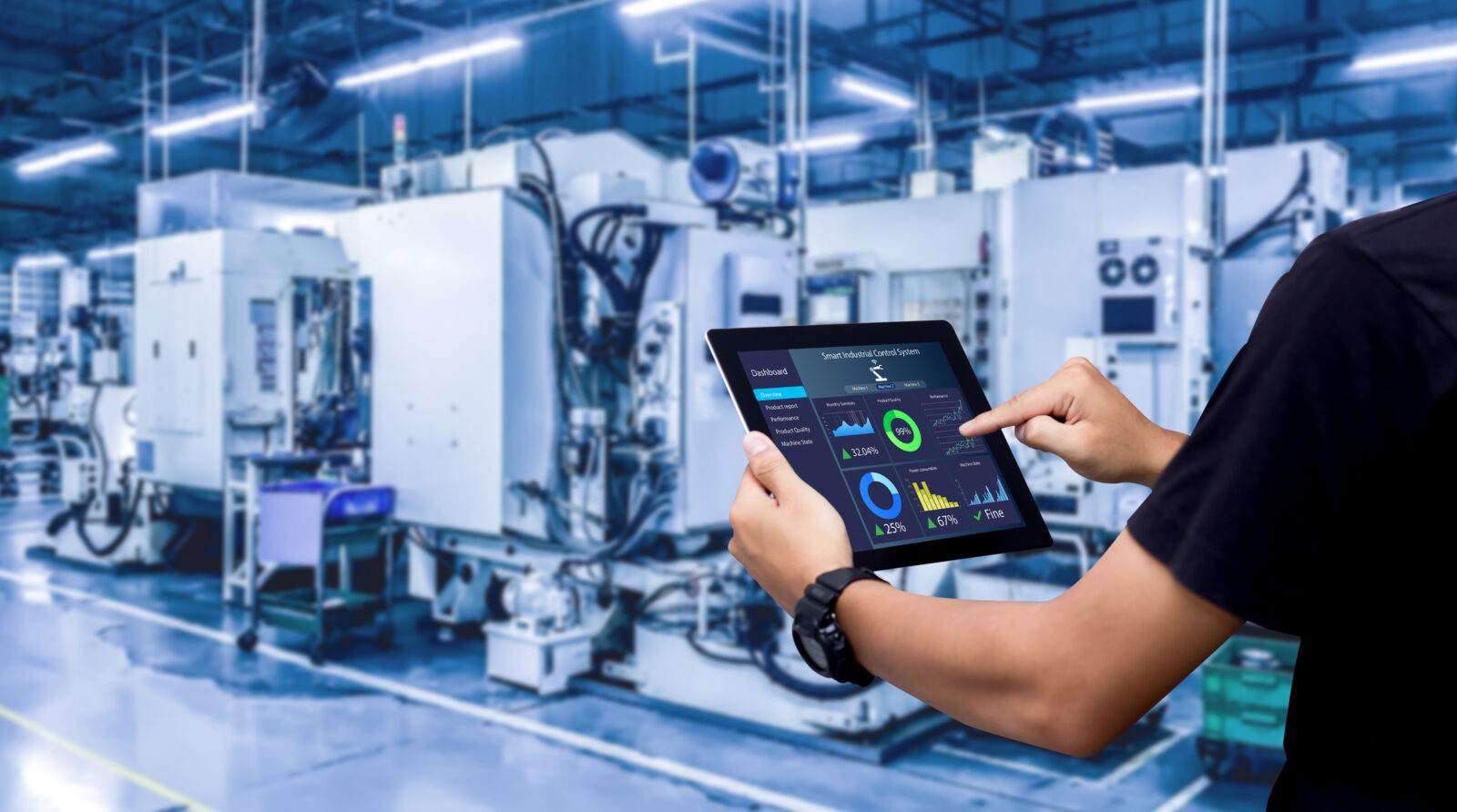
Integrated IoT Device and Health Records for safety
Tony McDonald
Using IoT devices and cloud infrastructure to monitor health and safety and aid safe decision making.

Design Smarter GPTs: A Human Factors Blueprint
Douglas Wiegmann
A practical model breaking down how user input, source material, prompts, agent design, and chat sessions shape GPT output—helping anyone build more effective, user-friendly specialized AI agents.
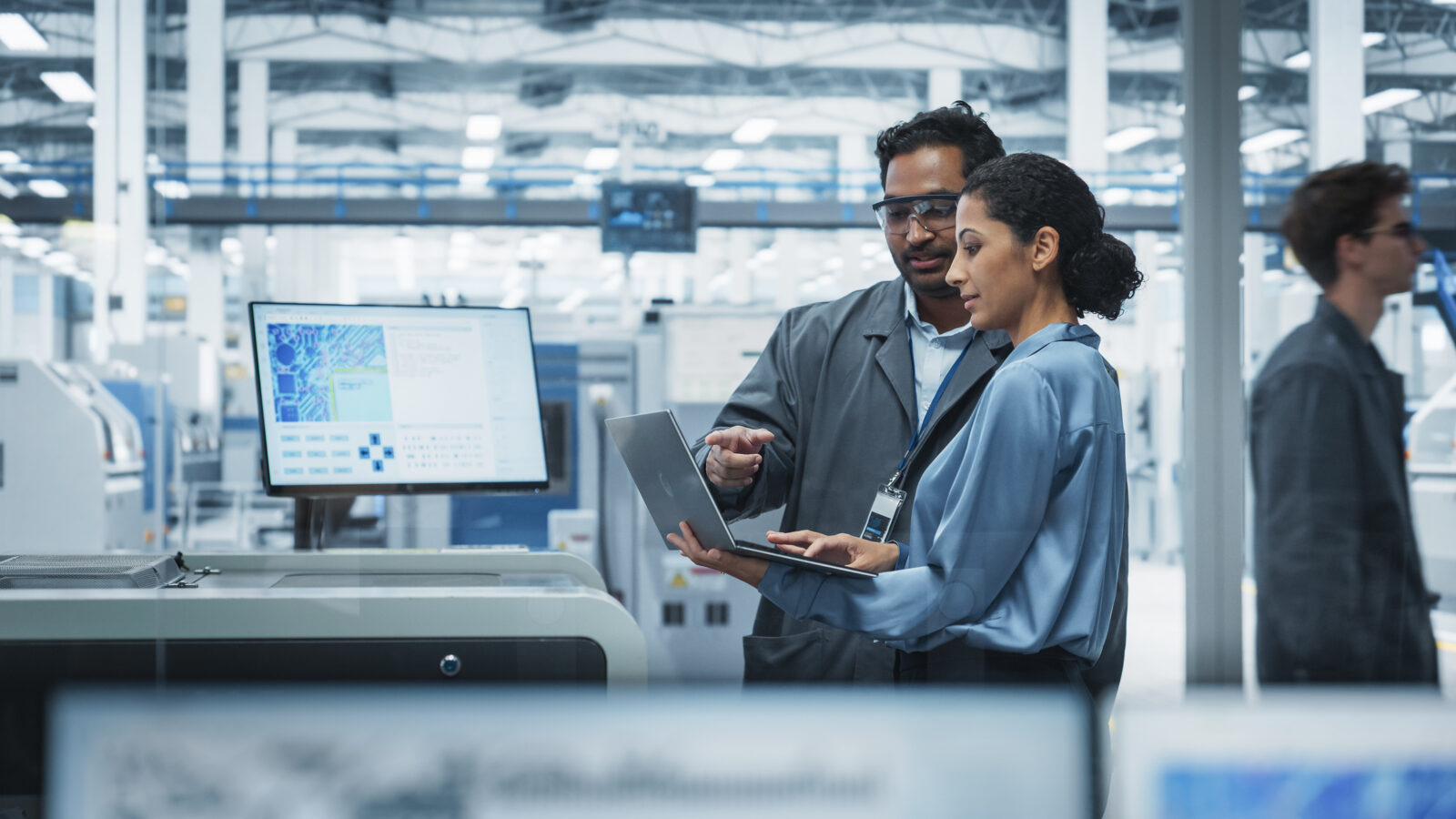
Calibrating Trust, Not Just Building It
John Lee
Foundational models of trust in automation explain when people over- or under-rely on AI, and how explanations, shared situation awareness, and repair strategies restore trust after human-AI teaming failures.
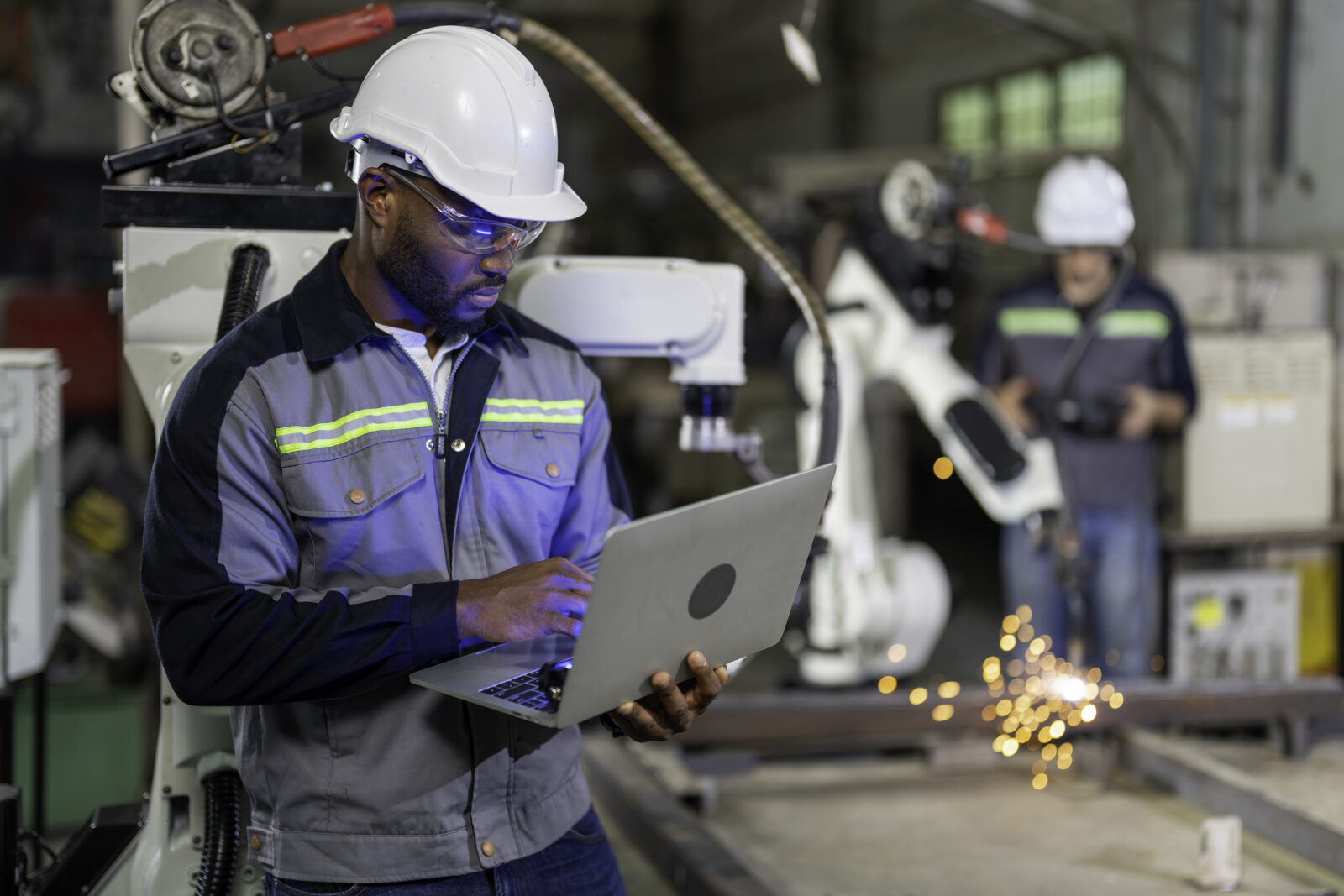
Ergonomics Risk Assessment
Robert Radwin
Using AI-enabled motion analysis to detect hazardous work exposures and guide ergonomic interventions before musculoskeletal injuries occur.
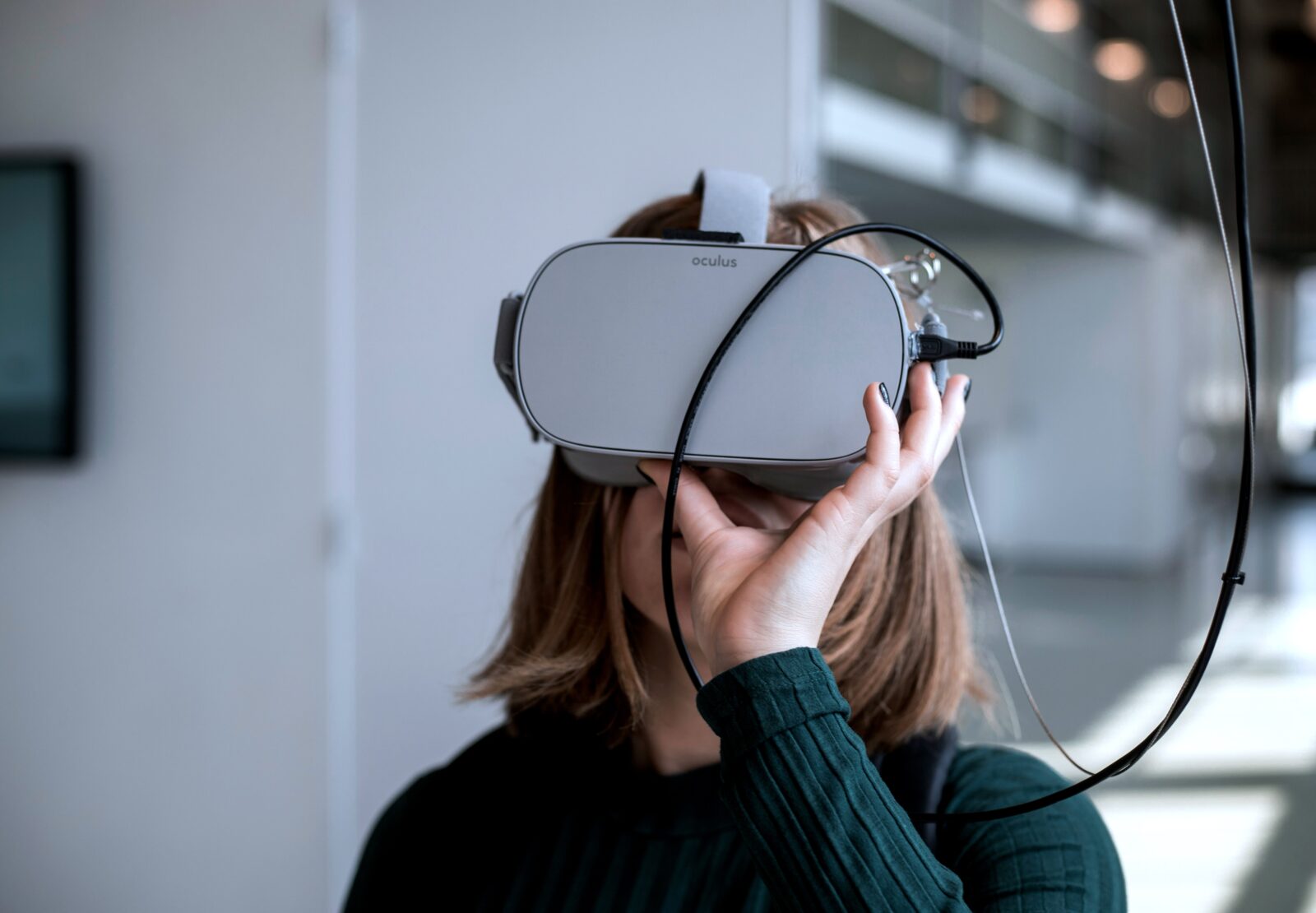
Digital Twins for Human-Ready Systems
Kevin Ponto
Building immersive replicas of real environments where people can evaluate intelligent technologies, automation, and workflows before real-world deployment.
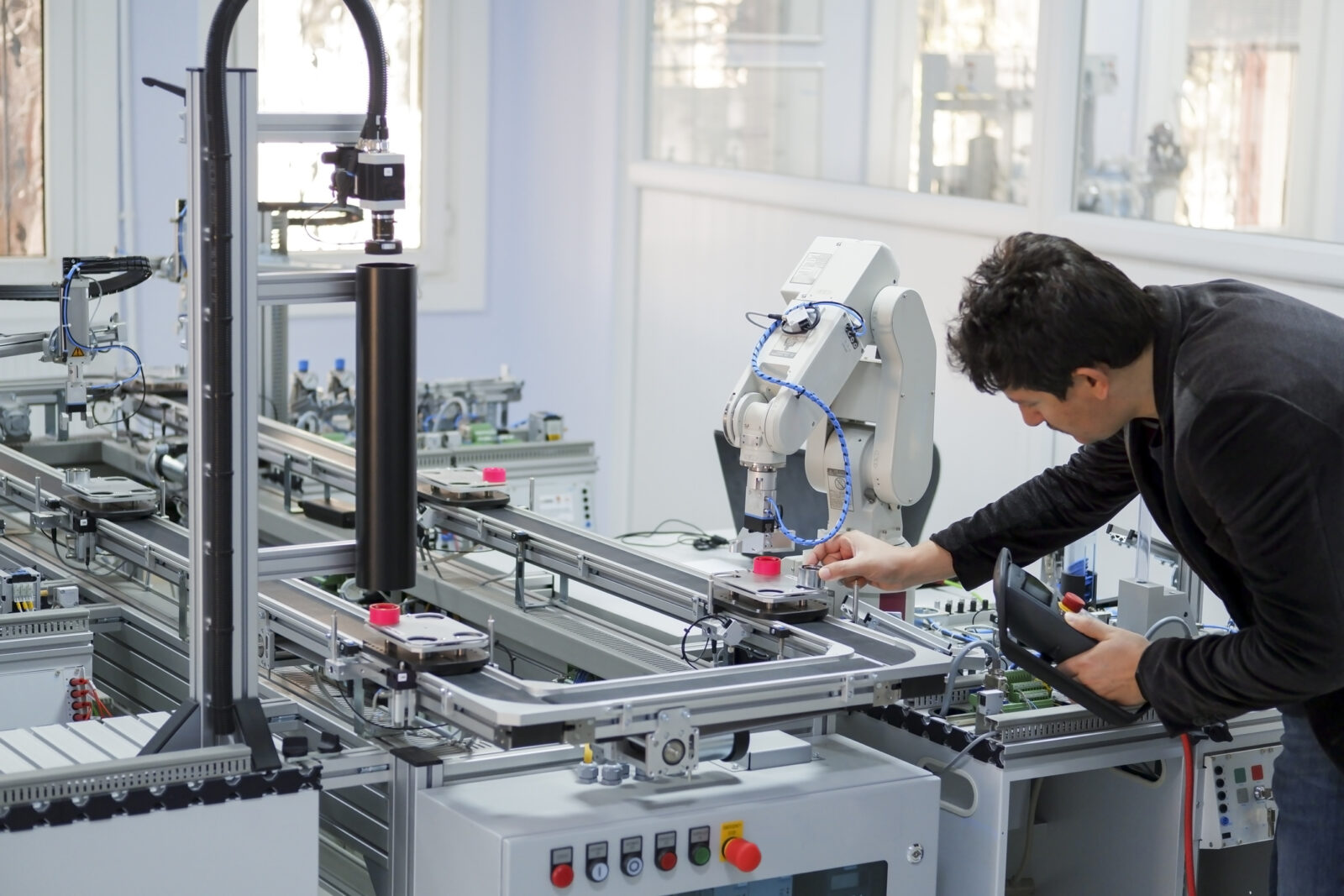
Turning Demonstrations into Deployable Skills
Mike Hagenow
Learning-from-demonstration and end-user programming systems let non-experts teach full-stack robots dexterous, contact-rich manufacturing tasks—like sanding and fastening—without writing code.

Making Team Thinking Visible
Kate Fu
AI-powered discourse analysis automatically converts engineering conversations into shared mental maps, helping researchers and organizations understand how teams communicate, coordinate, and solve complex design problems.

Keeping Astronauts (and Patients) Healthy Far From Help
Daniel Buckland
From tracking how long ISS medications stay potent for exploration missions to designing better spacesuits after quantifying injury data, this work sustains human health and performance in medicine’s most resource-starved environments.
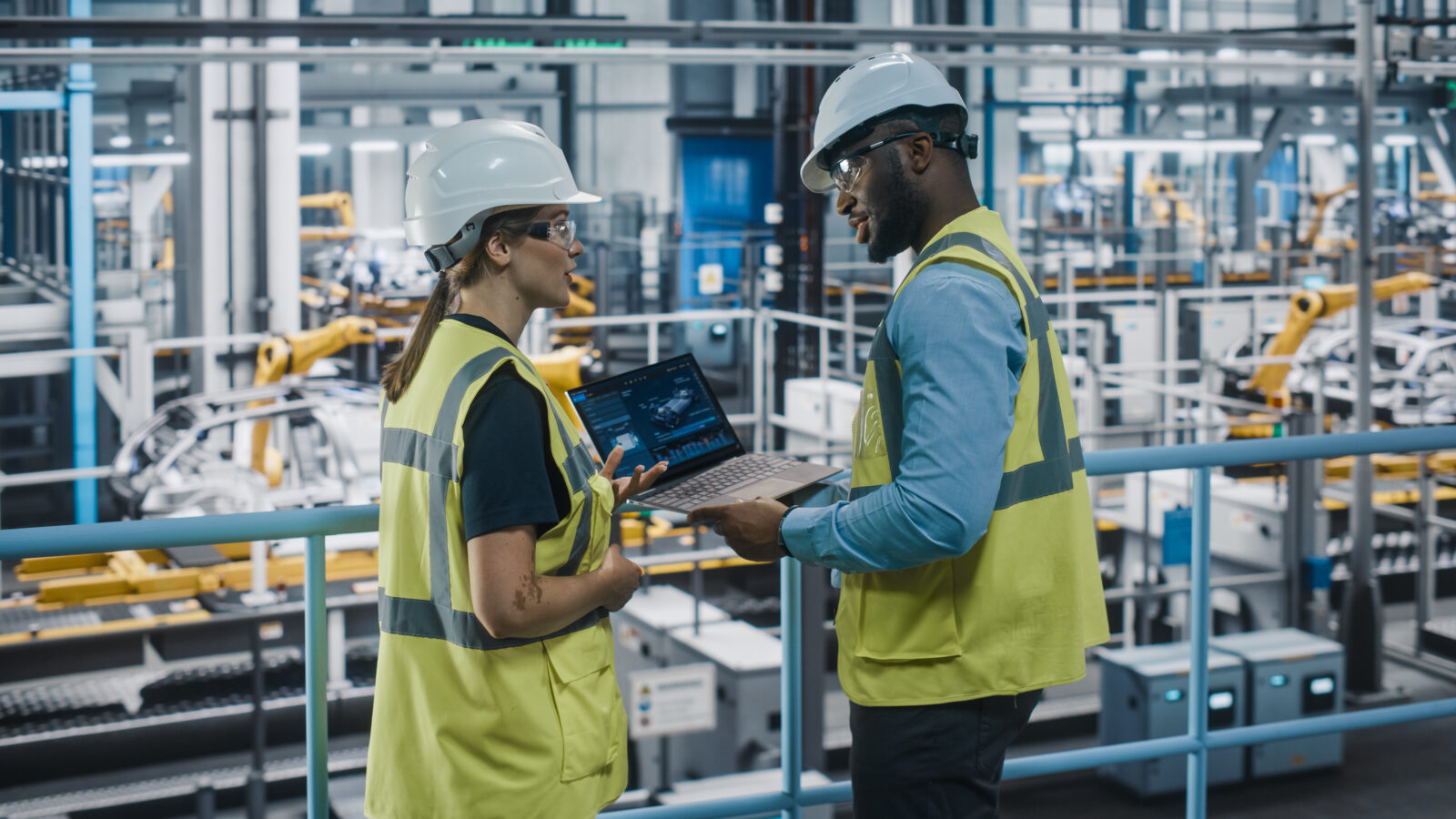
Predicting System Failures Before They Happen
Raj Veeramani
Predictive-maintenance models mine sensor signals from equipment and maintenance records to flag failure mechanisms early, while resilient supply chain research helps manufacturing enterprises anticipate and absorb disruptions to remain productive.
Sustainable Clinical Work
Jackie Cha
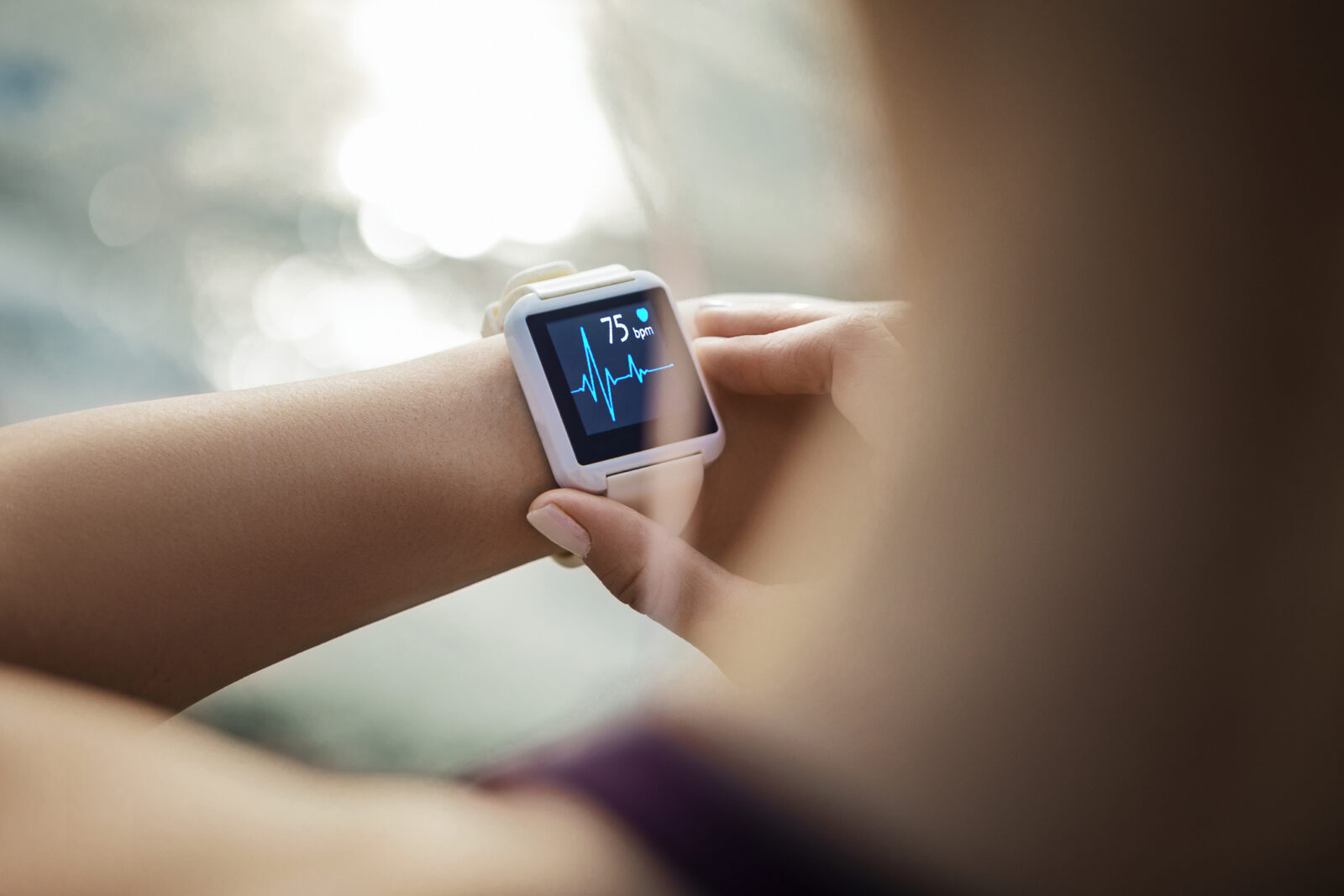
Quantifying the coupled physical and cognitive demands of surgical and healthcare work using wearable sensing to protect clinician health and career longevity.

Watching the Weld So Humans Don’t Have To
Kate Fu
Machine-learning and sensor-based monitoring—melt-pool imaging, infrared porosity detection, nozzle-wear prediction—automates real-time quality control in metal additive-manufacturing processes like laser powder bed fusion and directed energy deposition.
Our Facilities
The HEART Human-Systems Hub
The HEART Initiative builds on UW–Madison’s notable human-systems engineering network. Our facilities span departments and colleges, with capabilities to measure human-technology interactions from a variety of industries.
Ready to get started?
Reach out to learn more about how the HEART Inititative can empower you, your workers, and your systems.