
Heart is Hiring a REsearch Scientist! • Read More & Apply


People


Co-Lead
Ranjana Mehta
Industrial & Systems Engineering
Mehta’s research in the NeuroErgonomics Lab examines the mind-motor-machine nexus to understand, monitor, and predict human performance under fatigue and stress. She develops augmentation technologies for safety-critical applications like emergency response, space exploration, and oil & gas.

Co-Lead
Tony McDonald
Industrial & Systems Engineering
McDonald is the director of the Human Factors and Machine Learning Lab. His research focuses on identifying synergies between human factors methods and models and machine learning that can be used to improve health outcomes and transportation safety.

Daniel Buckland
Emergency Medicine
Buckland’s research centers on the implementation of autonomy in safety critical systems. He is interested in how to provide medical care in exploration spaceflight, as well as the emergency department waiting room, prehospital care, and rural medicine—all places where automation is already proposed as a way to improve access to and quality of care.
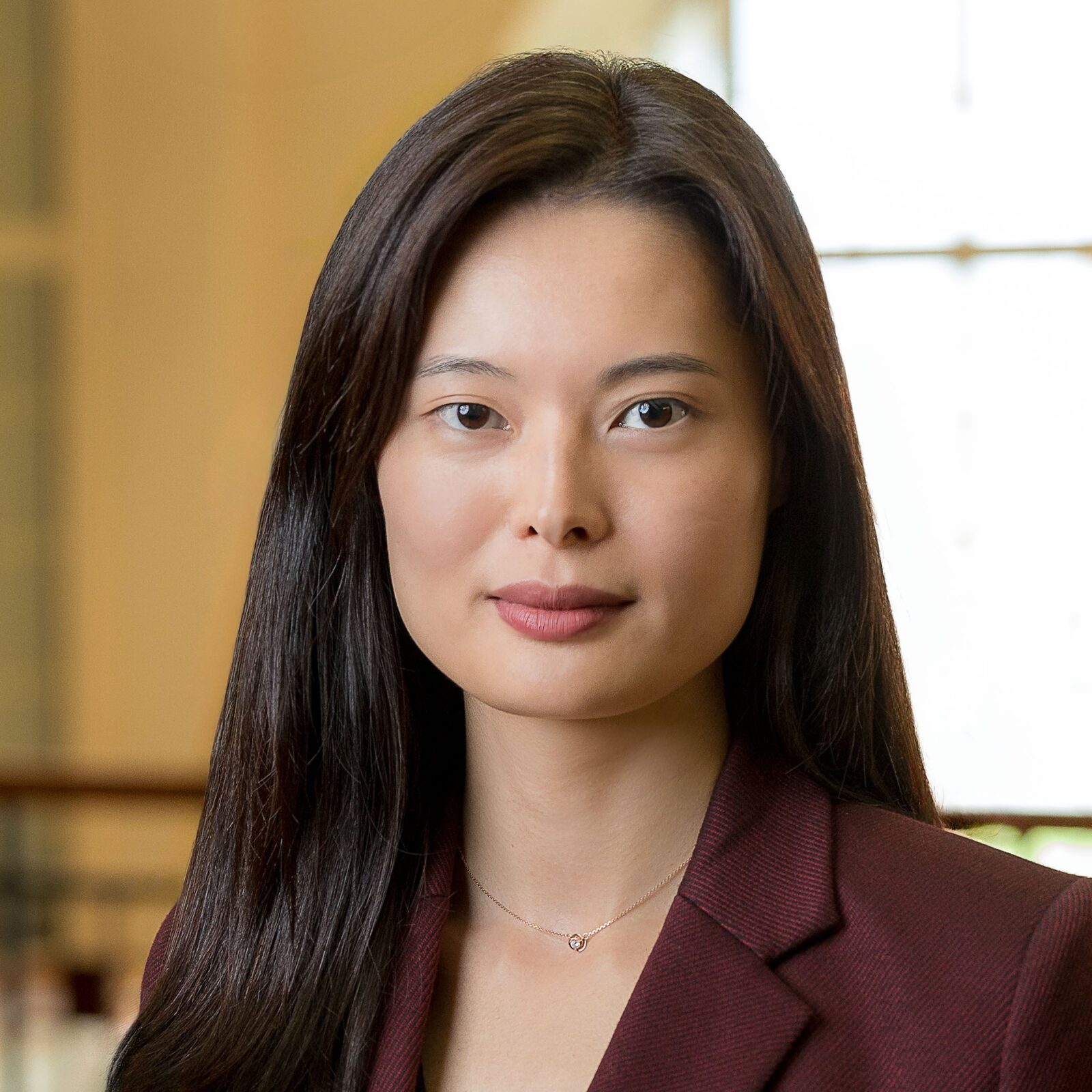
Jackie Cha
Industrial & Systems Engineering
Cha’s research measures physical human-robot interactions, particularly in healthcare environments, to improve worker performance, safety, and system efficiency. Her team investigates applications of robotics in clinical environments and the changes of physical and cognitive interactions between human teams and robots.
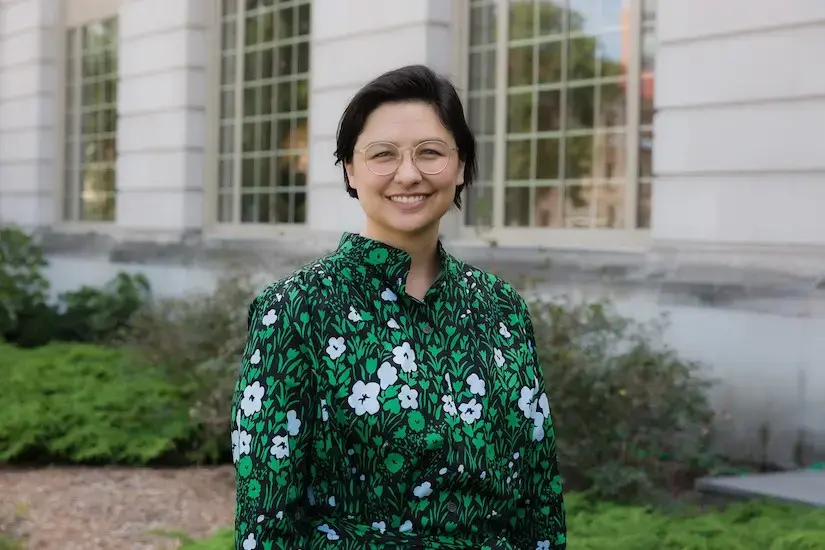
Kate Fu
Mechanical Engineering
Fu’s work has focused on studying the engineering design process through cognitive studies and extending those findings to the development of methods and tools to facilitate more effective and inspired design and innovation.
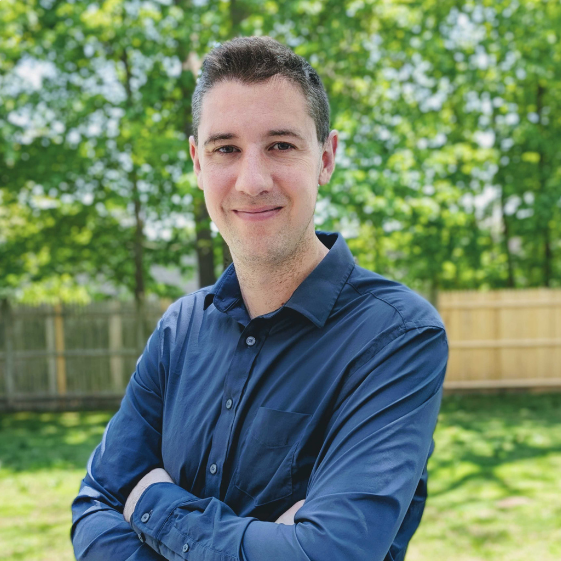
Mike Hagenow
Computer science
Hagenow was previously a postdoctoral fellow in the Aeronautics and Astronautics department (and CSAIL) at MIT. As a researcher, he works on developing methods for effective human-robot teaming with a focus on contact-rich tasks that are physically demanding on people, with main research interests in shared autonomy and robot learning.

John Lee
Industrial & Systems Engineering
Lee investigates the issues of human-automation interaction and human-AI teaming, particularly trust in automation. He has investigated trust in domains that include UAVs, maritime operations, highly automated vehicles, and deep space exploration. He helped to edit the Oxford Handbook of Cognitive Engineering and the APA Handbook of Human Systems Integration.

Kevin Ponto
Industrial & Systems Engineering
Ponto has a long history of multidisciplinary studies. He has worked on projects that present, summarize, and replay virtual experiences and has developed new methods for interfacing with virtual environments. He currently develops techniques to better the experience of virtual reality through new devices, interfaces, and techniques.

Robert Radwin
Industrial & Systems Engineering
Radwin’s research focuses on the physiological and biomechanical aspects of work. He investigates how to better design jobs, equipment, tools, products, and environments in which people play a significant role, so that human capabilities are maximized, physical stress and fatigue are minimized, and work is optimized.

Linsey M. Steege
School of Nursing
Steege applies human factors and ergonomics engineering methods to the analysis and design of healthcare systems and measuring and modeling safety, well-being and performance outcomes of health professionals. She is also interested in systems-based interventions to improve health professionals’ communication, teamwork, and decision-making processes.

Raj Veeramani
Industrial & Systems Engineering
Veeramani’s research focuses on new frontiers of digital transformation, industrial data analytics and intelligent decision systems, AI/ML-enabled business process improvement and automation, Industry 4.0, IoT technologies and applications, smart manufacturing, and resilient supply chain management. He is recognized for his practical, real-world perspective.

Douglas Wiegmann
Industrial & Systems Engineering
Wiegmann focuses on the practical application of AI technologies in real-world scenarios, ensuring seamless integration and optimal performance. His research aims to enhance the reliability and trustworthiness of AI systems, making them more transparent and understandable for users, as well as exploring the innovative uses of generative AI to improve safety and efficiency.
Ready to get started?
Reach out to learn more about how the HEART Inititative can empower you, your workers, and your systems.