
Heart is Hiring a REsearch Scientist! • Read More & Apply


Industry Partnerships
Technology is only ready when your workforce is ready. The HEART Initiative works closely with partners across tech-forward industries to adopt robotics, automation, and AI with confidence—by putting people at the center. Whether you are just starting to explore new technologies or have already partially implemented them, we can help you build better integration through human readiness.

Areas of Expertise
Translating Research for Scalable Impact
Working closely with tech-forward industry stakeholders, we use evidence-driven methods to understand how individuals, teams, and organizations can best prepare for human-readiness within emerging or existing systems. HEART guides partners through a custom, step-by-step human readiness assessment—including site visits, top-down workforce assessments, and stakeholder engagement—to successfully implement new technologies in a range of applications.

Healthcare

Manufacturing

Security

Transportation

Emerging Tech

Energy

Our Process
Workforce Readiness 2.0
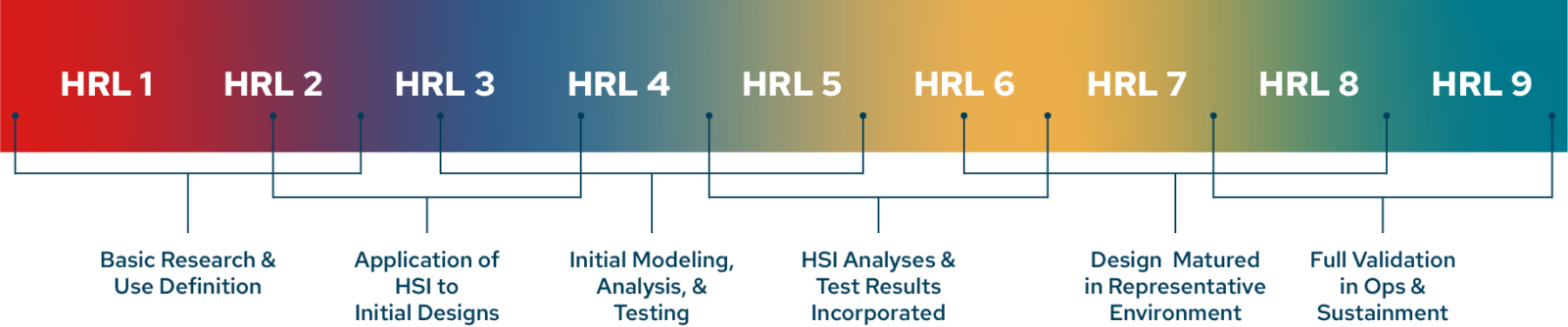
HEART believes technology is only ready when humans are ready to use it. Our research uses Human Readiness Levels, or HRLs, to help you implement technology safely and efficiently in the real world. We use tools like wearables and digital twins to identify your strengths, uncover barriers, refine training solutions, and provide evidence-based recommendations.

01. Assess
Are your people
ready?
- Understand your workforce
- Identify Risks & opportunities
- Define human needs
- Prioritize use cases

02. DESIGN
Design technology around people
- Co-design with workers
- Prototype & simulate
- Measure workload & trust
- Optimize safety & performance
03. DEPLOY
Implement with confidence
- Pilot & deploy technologies
- Train & enable workforce
- Monitor & improve adoption
- Sustain & scale the operation
Industry Case Studies
Centering Humans in Complex Systems

Adaptive Robotics
Ranjana Mehta
Designing robot adaptations to accommodate for worker states and learning to create safer and more intuitive shopfloor automation.
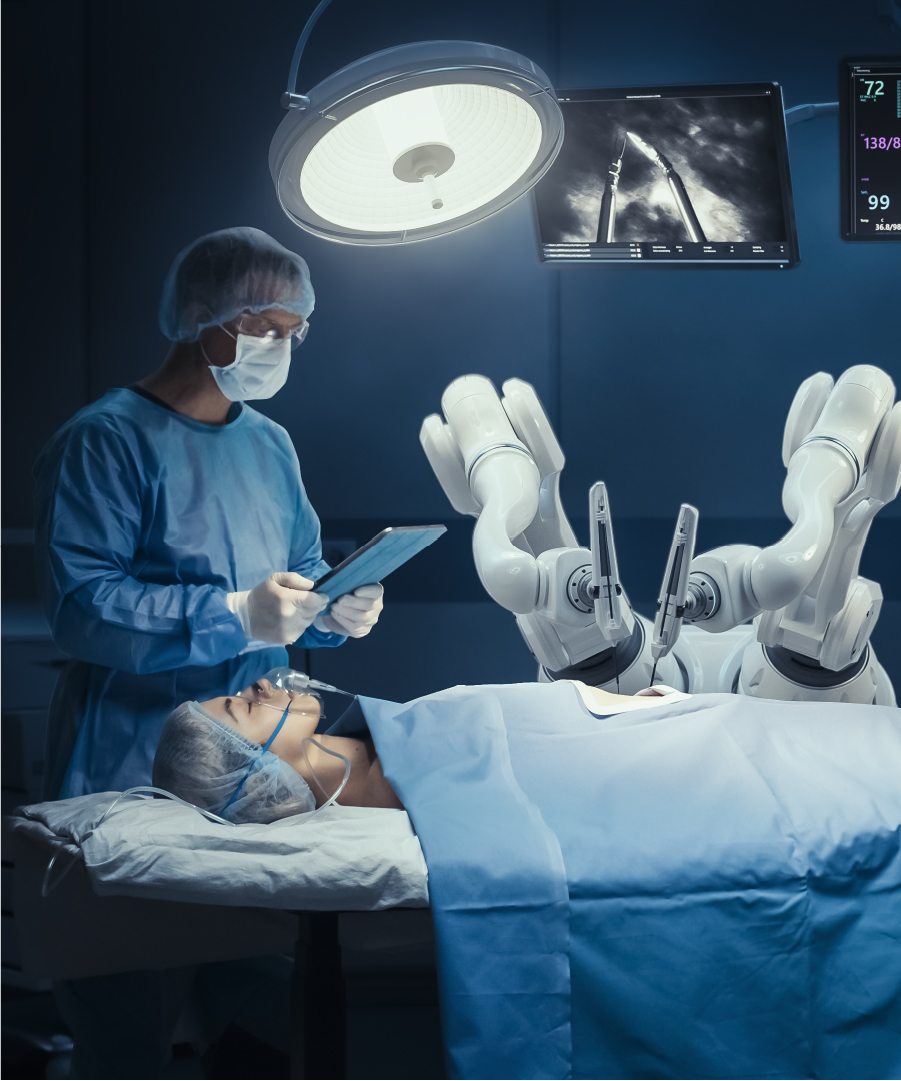
Cybersecure Surgical Systems
Jackie Cha
Engineering resilient robotic surgery systems by integrating human factors with cybersecurity and operational safety.

Trust Aware Human Digital Twins
Tony McDonald
Developing human digital twin models that predict behavior changes associated with trust and other human factors.
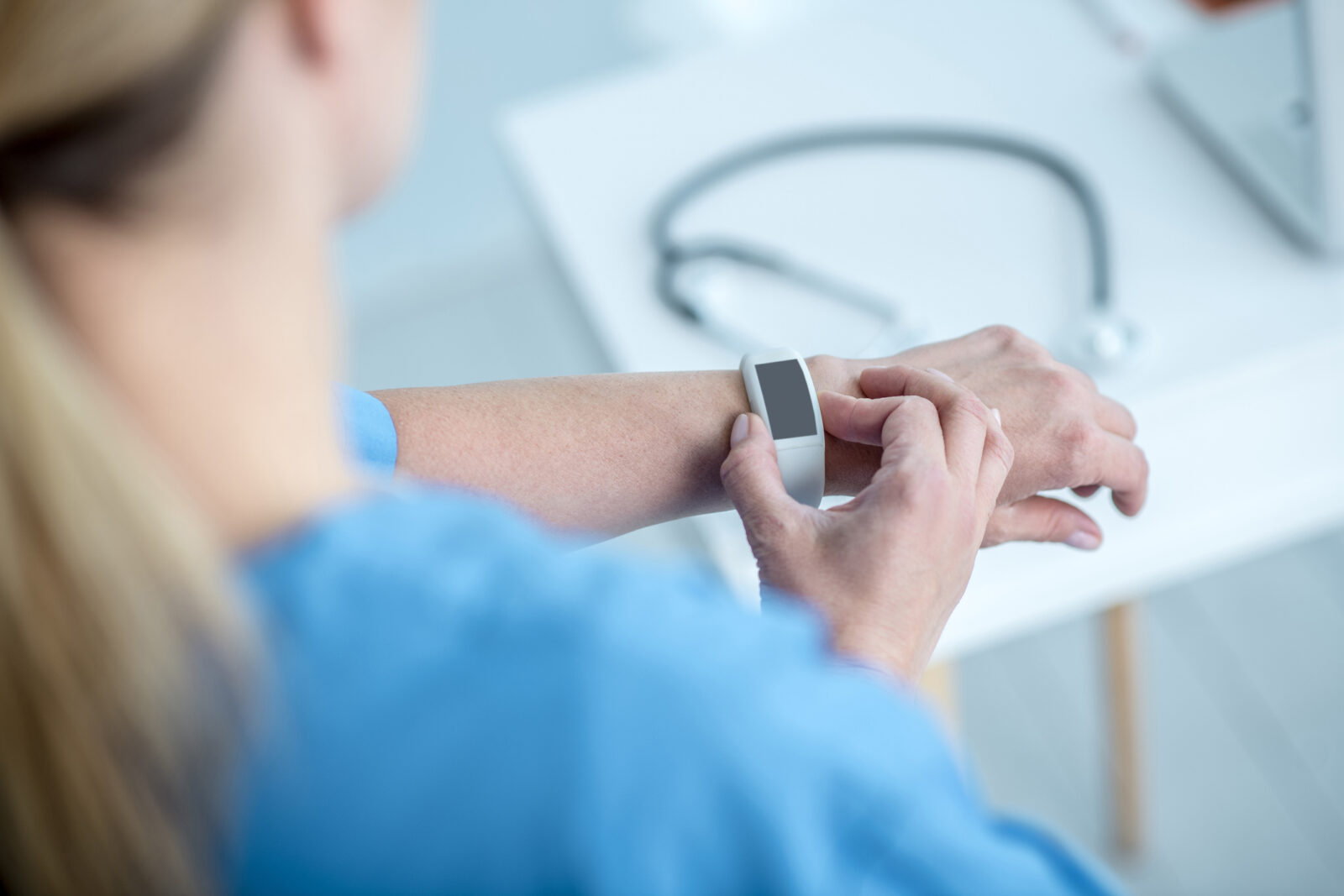
Tracking the Toll of a 12-Hour Shift
Linsey Steege
Wearable sensors and system-level studies quantify nurse fatigue, sleep, stress, and burnout, linking workload and shift design to healthcare-worker wellbeing and patient-care performance.
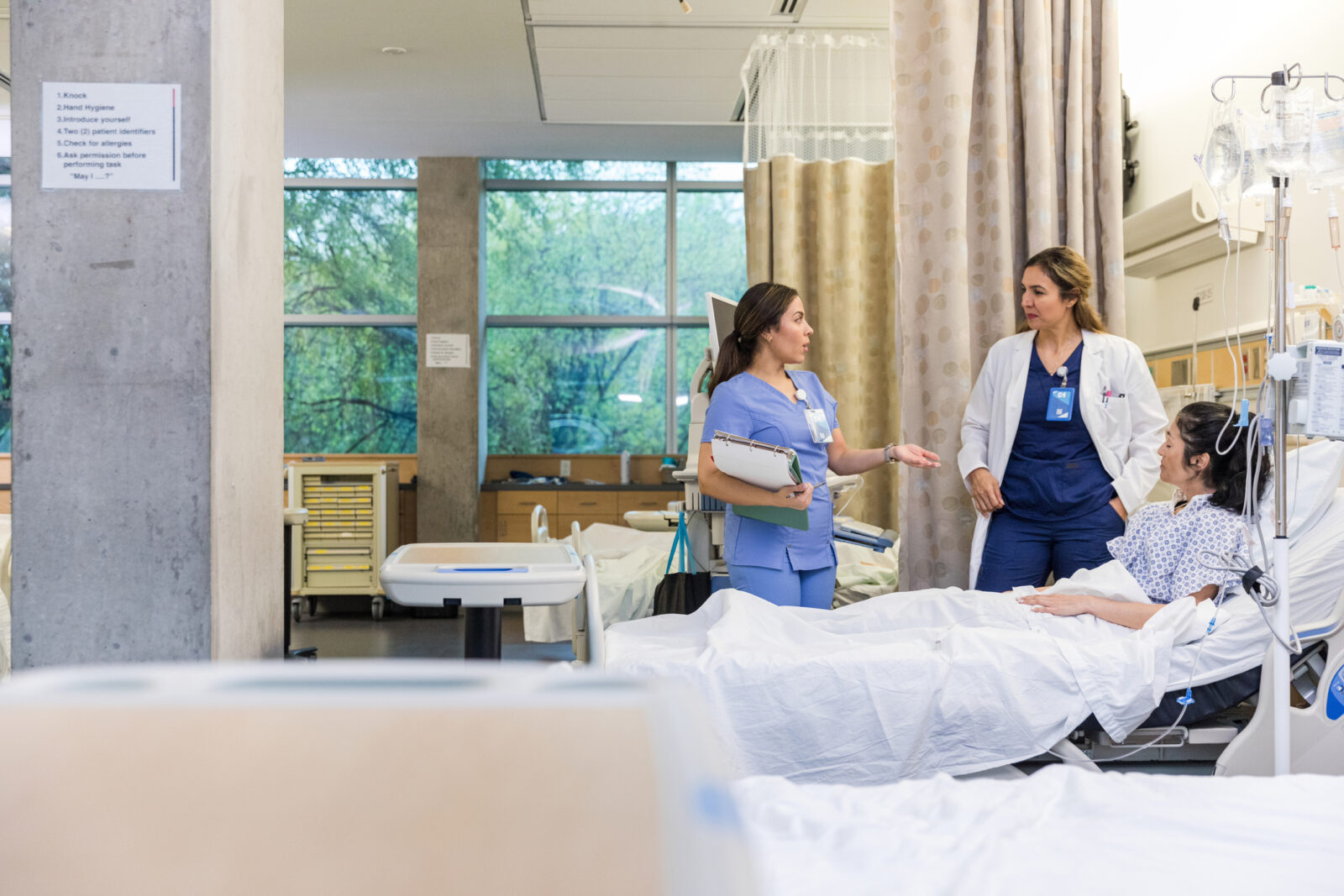
Making AI Trustworthy at the Bedside
Douglas Wiegmann
Applying human factors principles to design, implement, and evaluate AI-based clinical decision support tools that improve usability, clinician trust, and safe adoption across real-world healthcare settings.
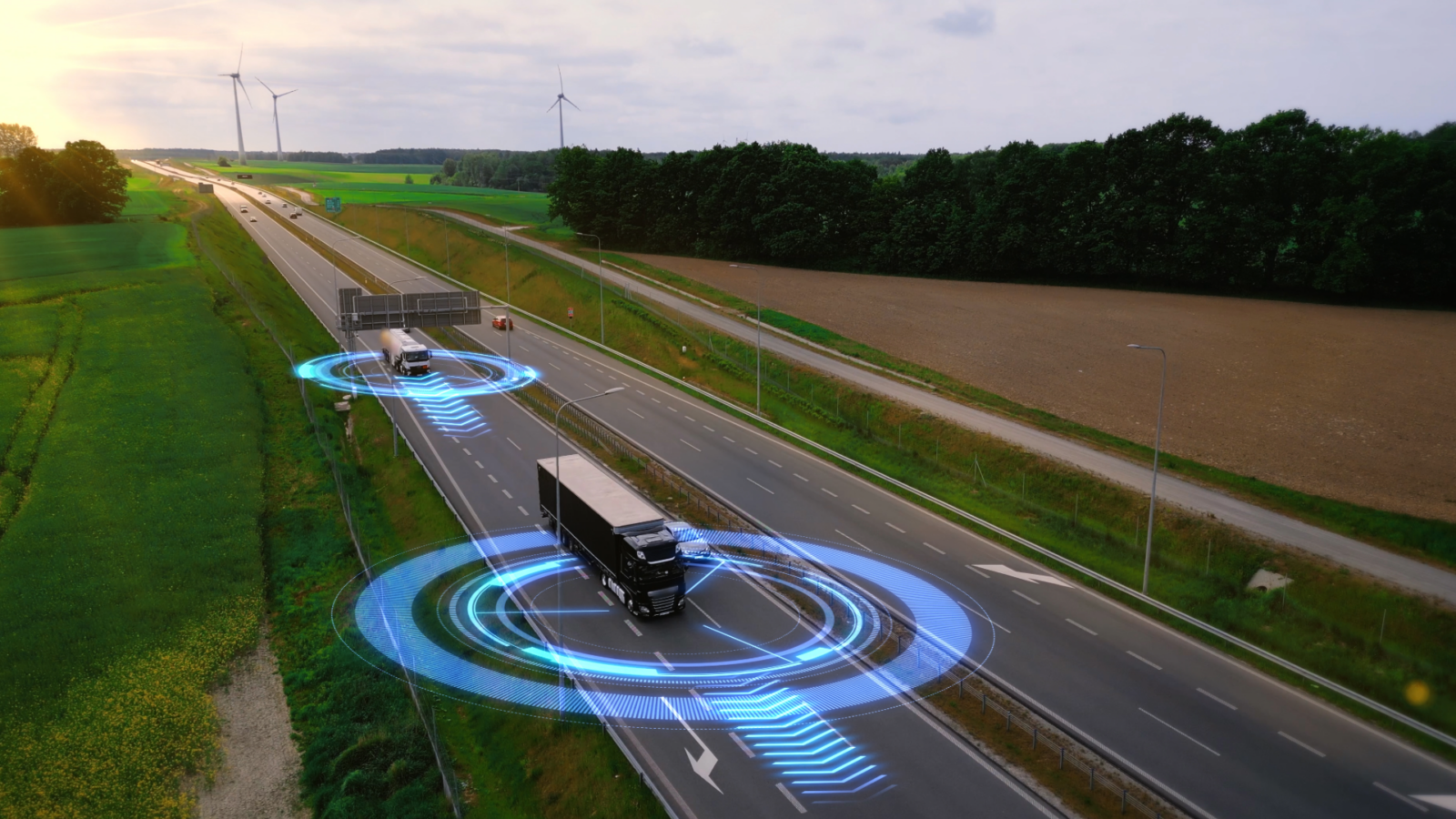
Designing Attention Back Into the System
John Lee
Decades of research on driver distraction and technology-mediated attention uncover how complex human-machine systems fail, informing safer designs for high-consequence automated and autonomous systems.
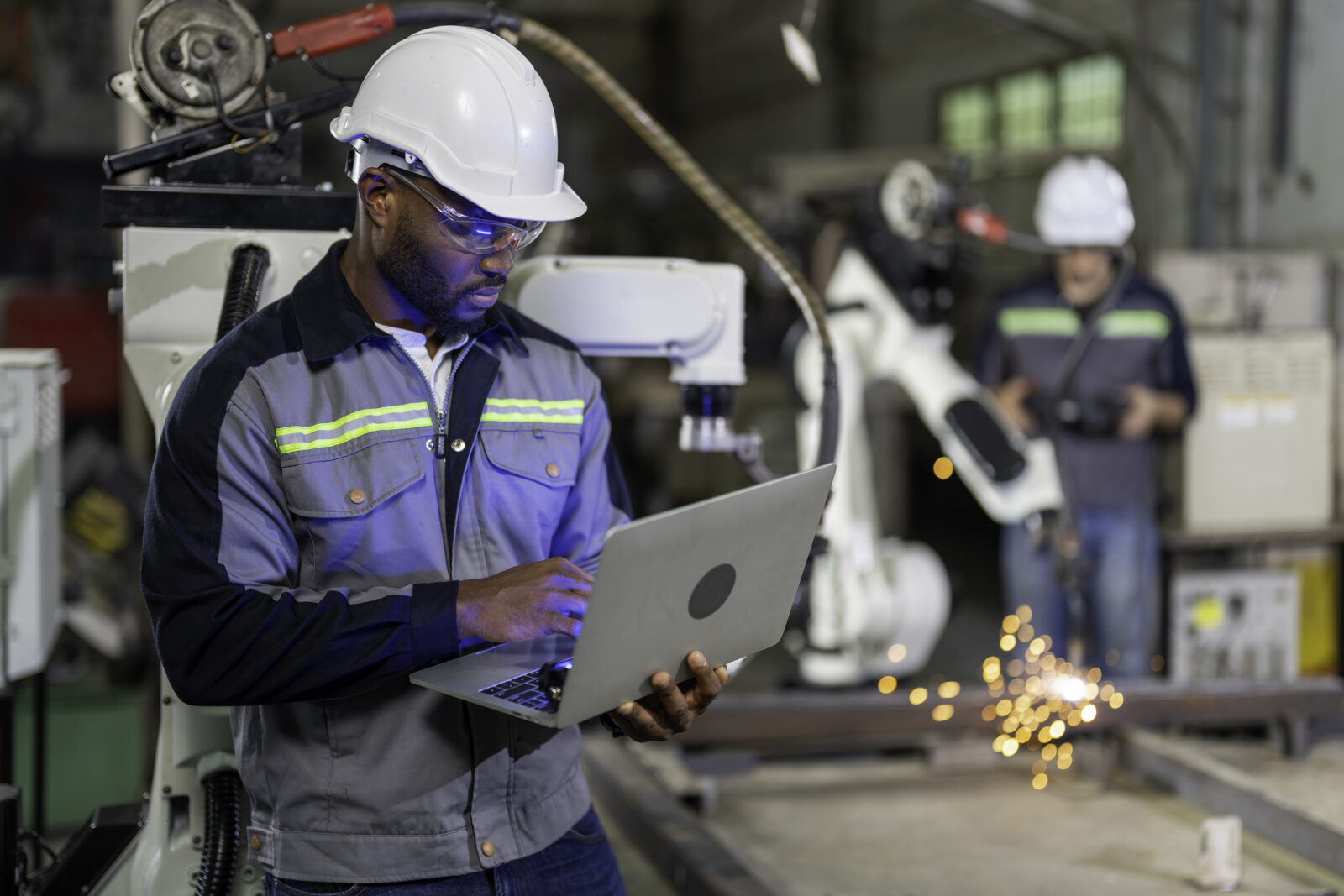
Human-Centered Automation by Design
Robert Radwin
Combining computer vision, biomechanics, and AI to allocate work between people and robots while improving productivity, physical wellbeing, and trust.

Scanning Spaces for Safety
Kevin Ponto
Combining mobile 3D capture, augmented reality, and AI to identify hazards and collaboratively design safer, healthier, and more accessible environments.
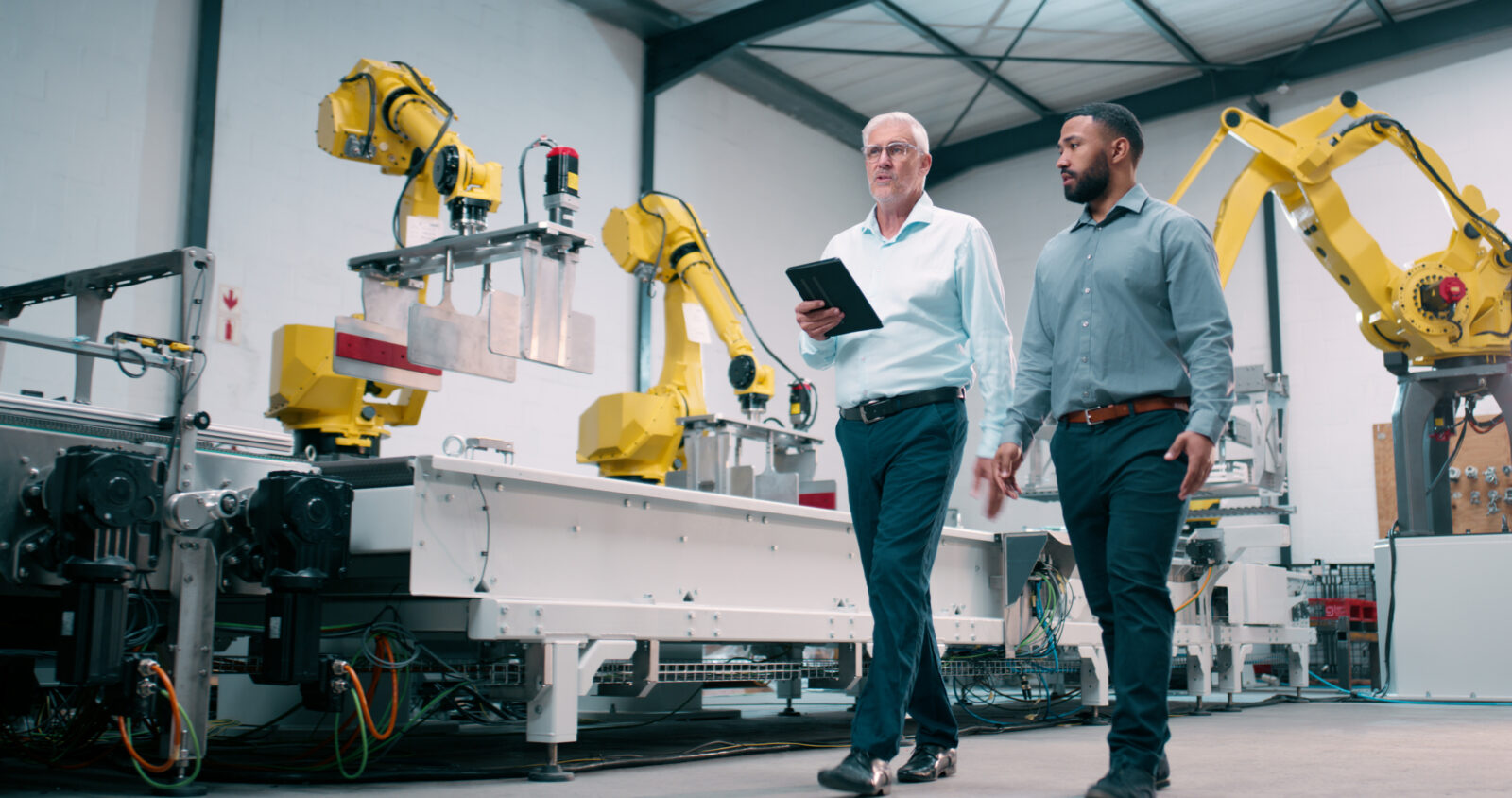
Robots That Know What They Don’t Know
Mike Hagenow
Uncertainty-aware assistance lets robots self-assess confidence on underdefined or variable tasks, minimizing unnecessary human intervention while flagging moments that need a person’s oversight.

Helping People Make Better Decisions
Kate Fu
Human-centered research on cognitive biases identifies why engineers make systematic decision errors and develops interventions that improve judgment, reduce bias, and support better outcomes in engineering design and other high-stakes decisions.

Redesigning the System Before It Breaks
Linsey Steege
Human-factors-driven interventions target hospital safety culture, error reporting, and organizational resilience—engaging nurses themselves to redesign work conditions and prevent burnout-driven safety failures.
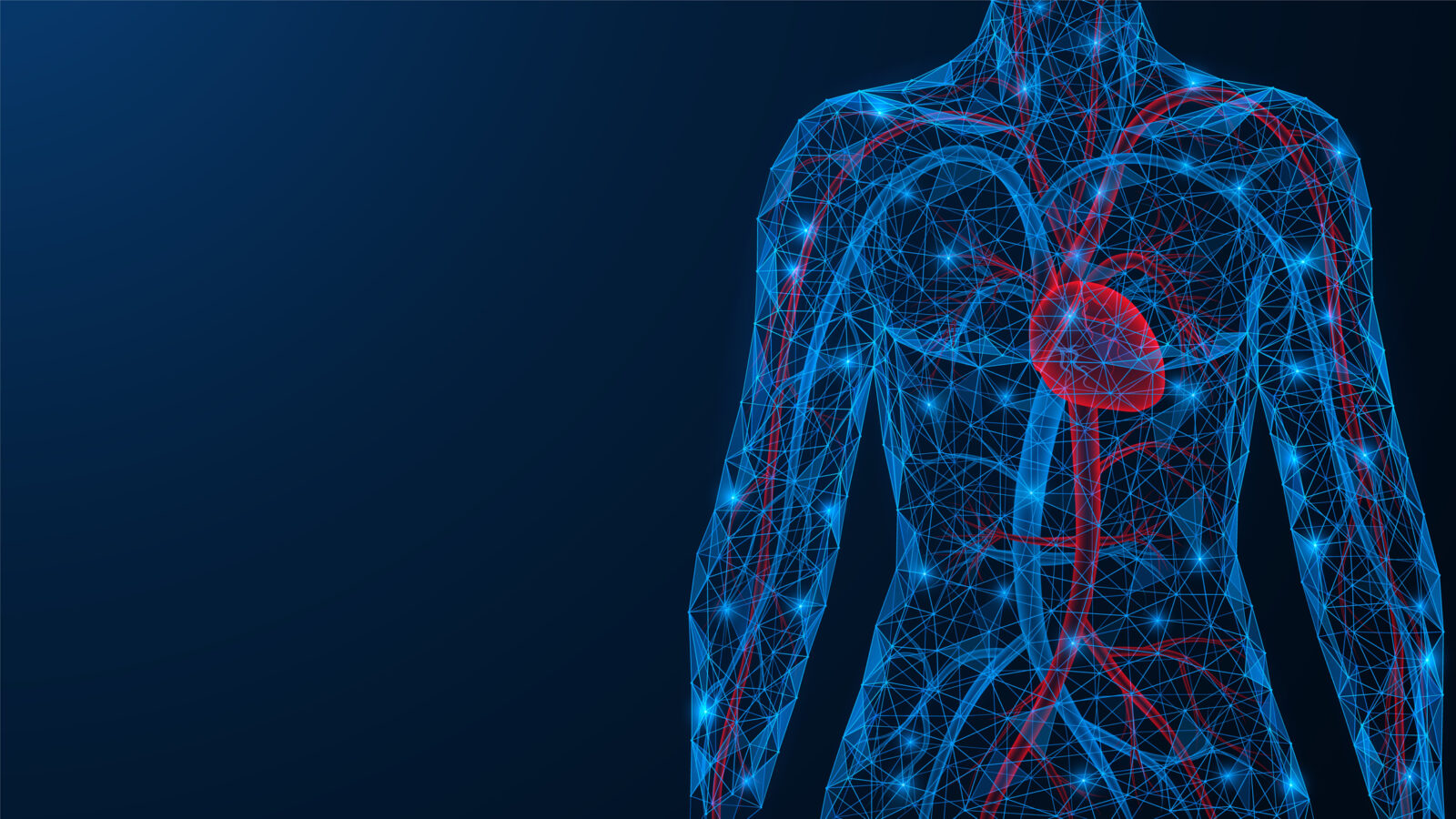
Would You Let a Robot Find Your Vein?
Daniel Buckland
Experiments measuring how much untrained operators trust autonomous medical devices—such as a device that autonomously maps vascular structures—reveal what it takes for people to safely supervise systems they didn’t build.
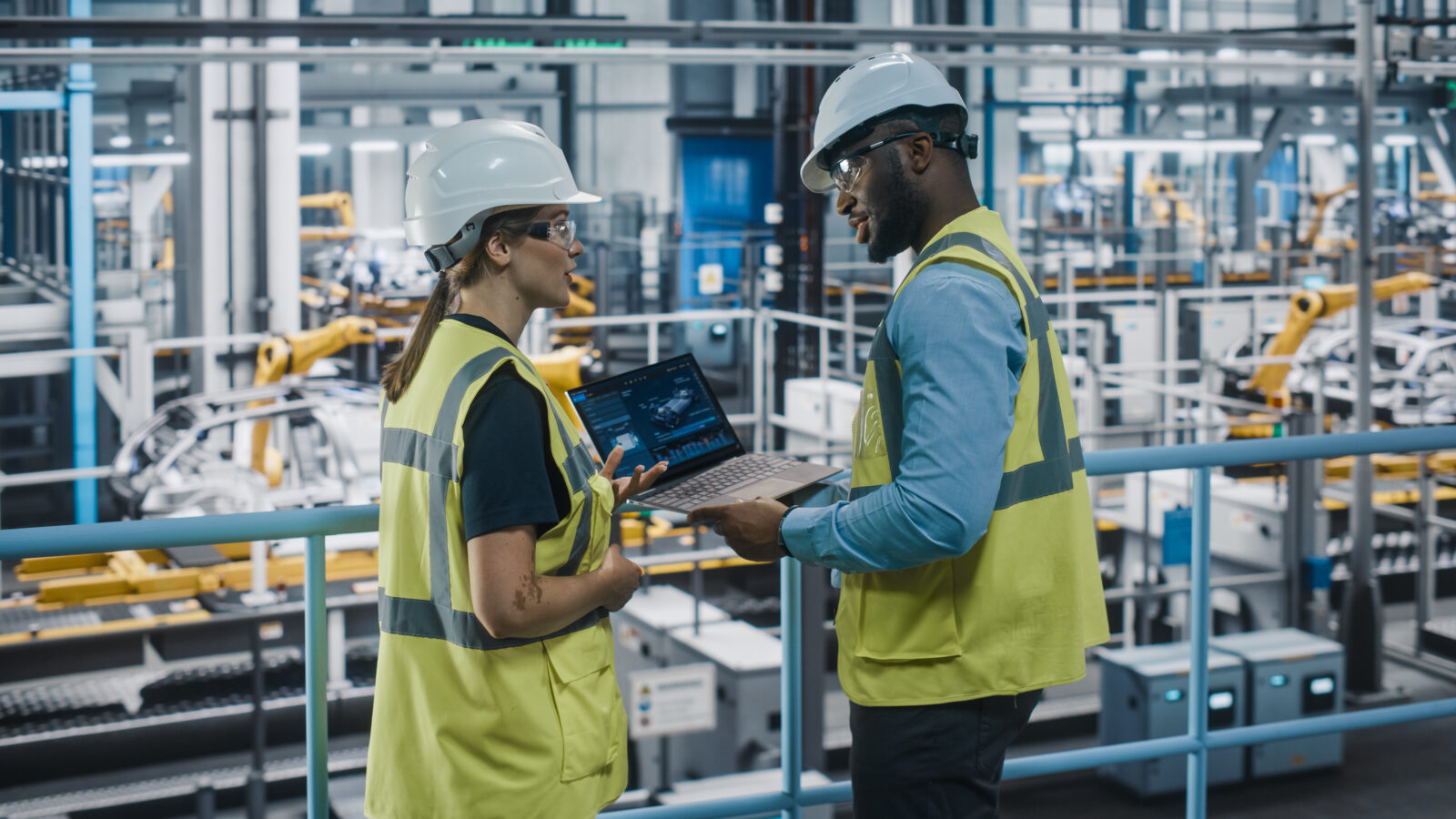
Automating the Factory Floor and the Distribution Center
Raj Veeramani
Digital transformation of manufacturing systems and distribution centers using smart equipment, uniquitous connectivity, IoT sensing, and AI-enabled decision systems, turning real-time data into optimal operational decisions.
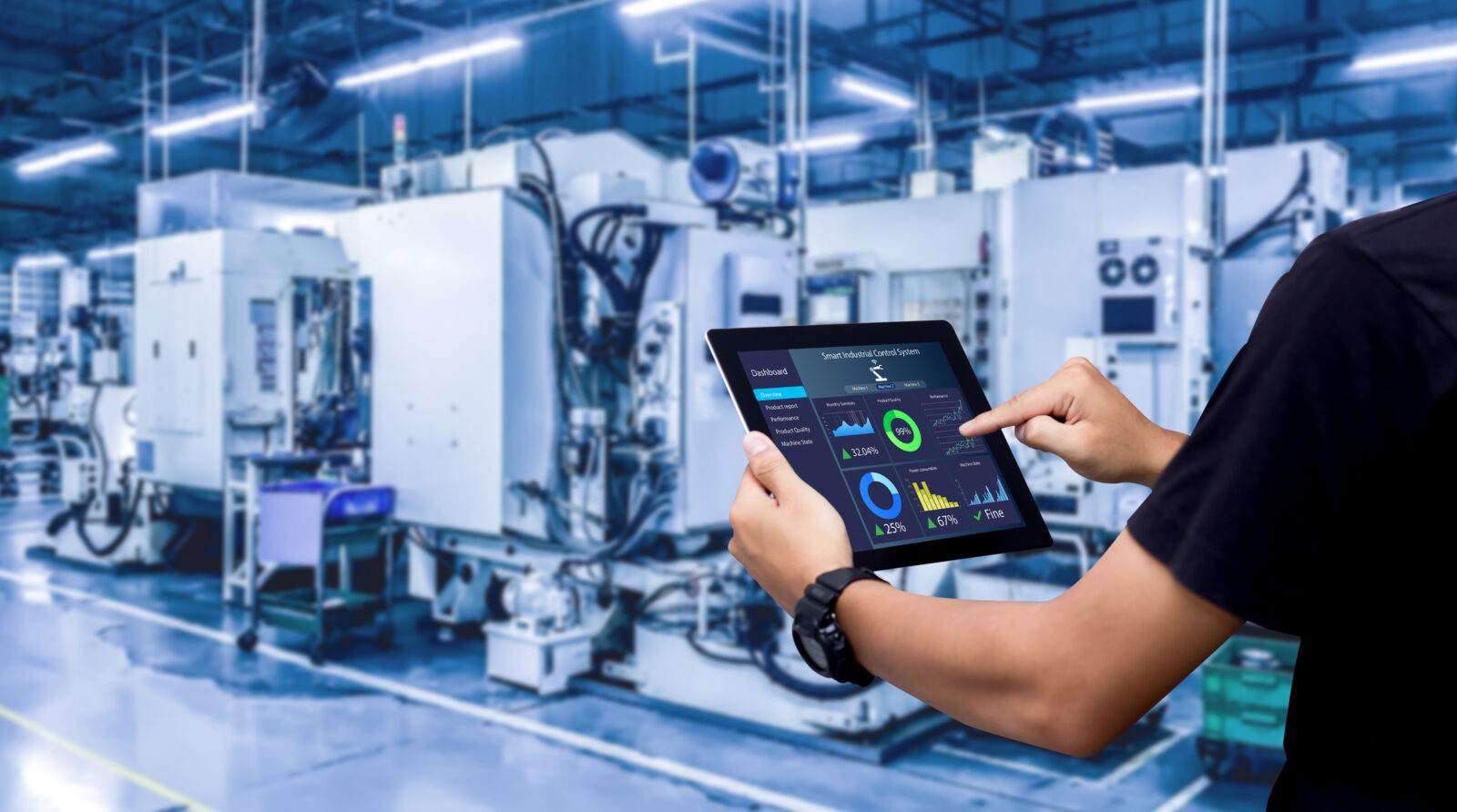
AI-XPERT
Ranjana Mehta
Preparing workers to work alongside AI, robotics, and immersive technologies through next-generation training approaches.
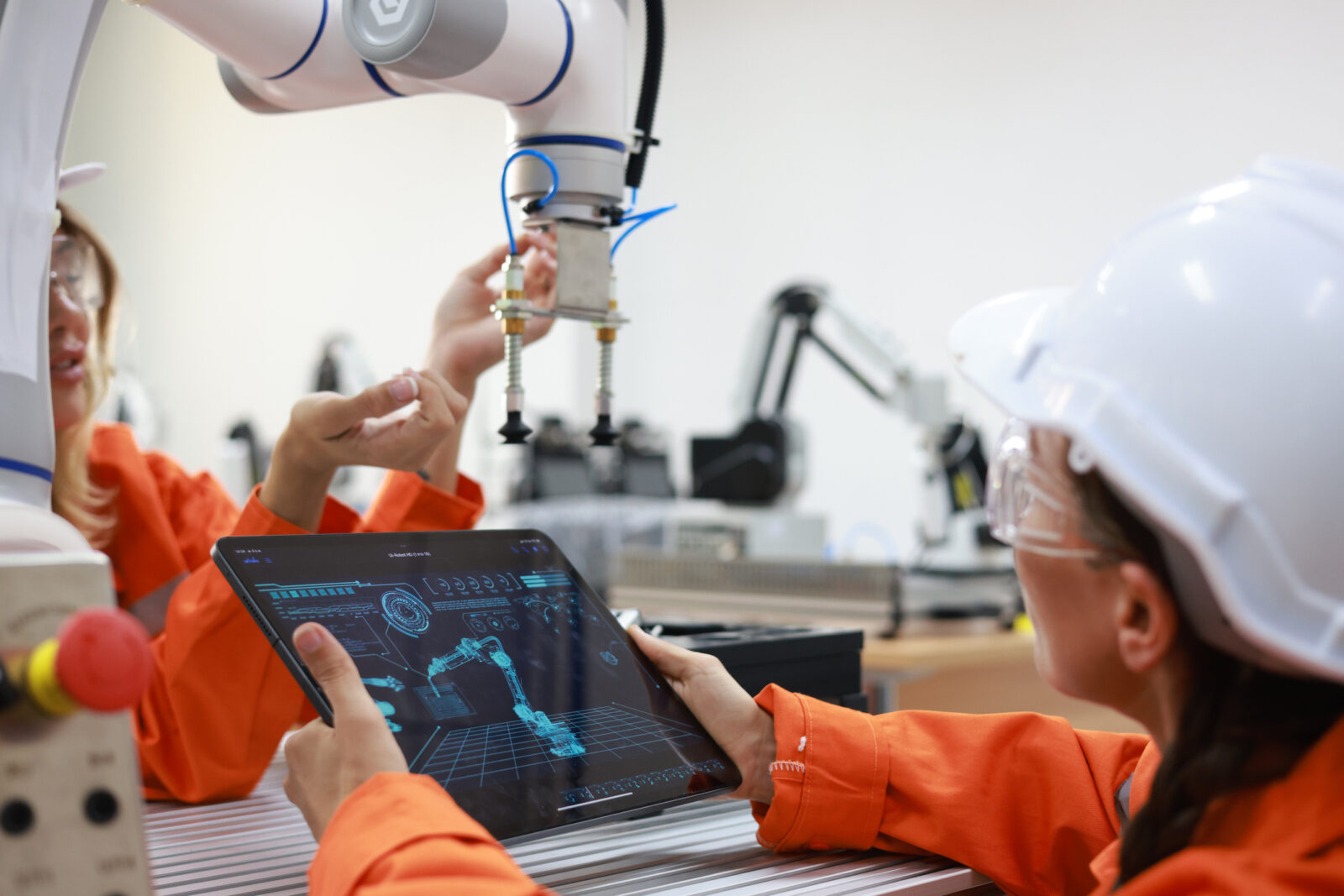
Robots That Take a Correction, Not Just a Command
Mike Hagenow
Corrective shared-autonomy systems let skilled workers steer robot behavior in real time, dividing labor between human judgment and robot execution to build trust in physically demanding, variable tasks.

Surgical Skills Intelligence
Jackie Cha
Measuring technical and nontechnical skills using behavioral and physiological data to personalize surgical training and assessment.
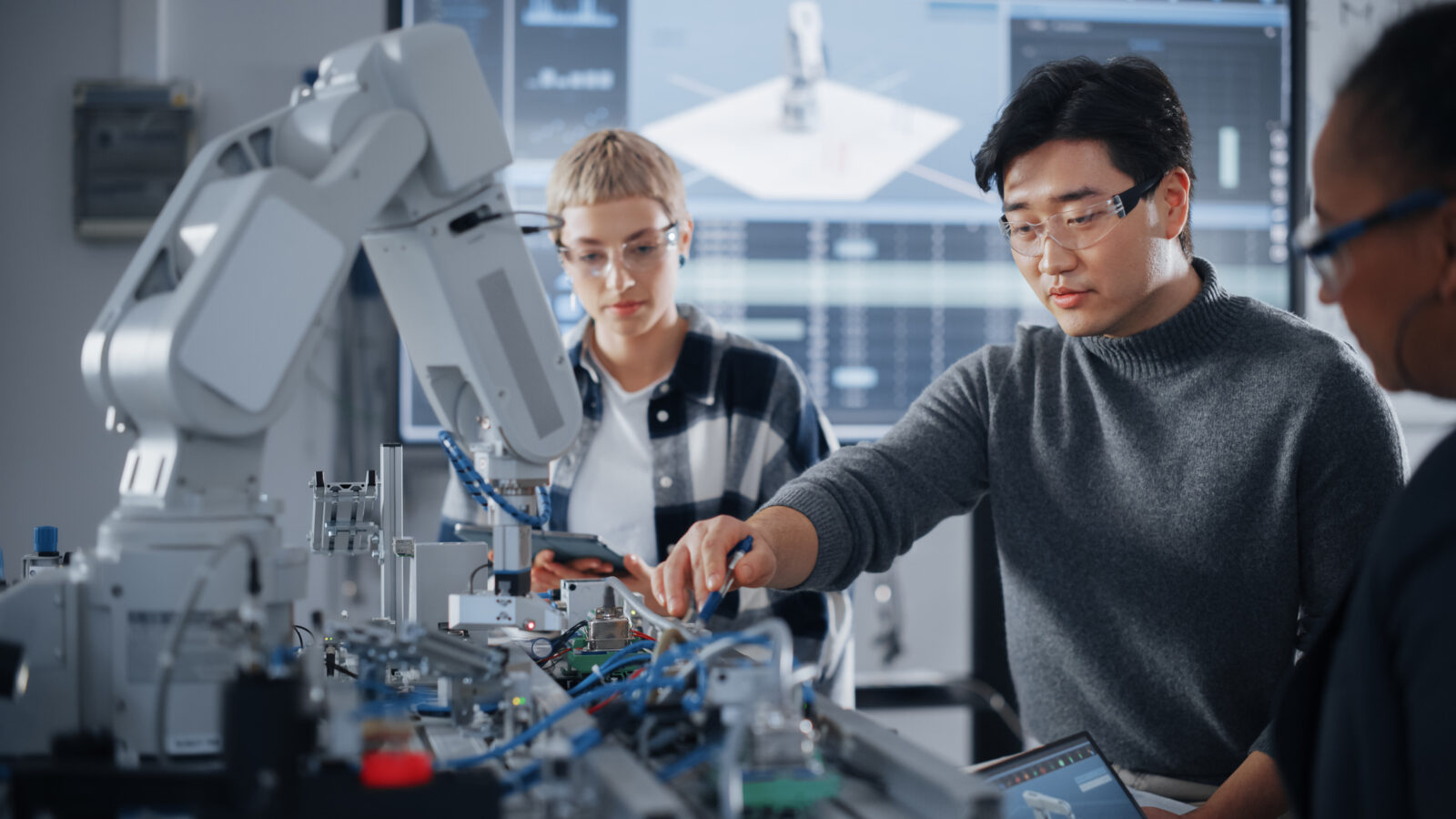
Building Better Engineers, One Heuristic at a Time
Kate Fu
Design-education research—from VR’s effect on creative output to sketch-quality’s impact on learning and inclusive makerspace design—builds evidence-based tools and curricula for a broader, more diverse engineering workforce.

Readiness and Wellness Dashobards
Ranjana Mehta
Using wearable sensing and AI to predict fatigue, stress, health, and safety risks across demanding work environments.

Business Outcomes
Partnering for Safety & Efficiency
Investing in human readiness means positive outcomes across your entire team. HEART partners with your workers to ensure strong workforce preparation for and acceptance of new technologies—resulting in faster adaptation, safer operations, opportunities to re- or upskill, higher productivity, and better RIO.
Ready to get started?
Reach out to learn more about how the HEART Inititative can empower you, your workers, and your systems.