How Wisconsin Drives Manufacturing Steered HEART’s Industry Partnerships Forward
Wisconsin Drives Manufacturing’s 2026 summit connected researchers to industry representatives across the state. The HEART Initiative, or Human-systems Engineering for Adaptive, Real-World, and Translational Applications, is one UW–Madison group that used the event to springboard their success in building industry partnerships—in ways that were both expected and surprising.
HEART is a Grainger-funded, cross-cutting initiative for the College of Engineering. Their research on robotics, AI integration, and human readiness can translate to industries like advanced manufacturing, transportation, and healthcare. The initiative’s faculty members were involved across WDM programming, including through booth demonstrations, seminar participation, and general networking. Ranjana Mehta, a HEART co-lead, was part of the Workforce track. One of HEART’s affiliate labs brought a collaborative robot integrated with VR that demonstrated a lifting task live to attendees, which created a salient connection to real-world applications.
HEART’s other co-lead, Tony McDonald, described the event as high-energy and exciting, because it was forward-looking and didn’t shy away from realistic conversations. “We heard about challenges that people were having with manufacturing and technology, and workforce readiness. But we also heard about successes that people were having in HEART’s areas of interest, particularly this AI-integrated space,” he said. “There were also several interesting surprises, about things that we might typically hear more in a research context, but industry is interested in implementing in the future—like AR and VR systems and collaborative robotics.”
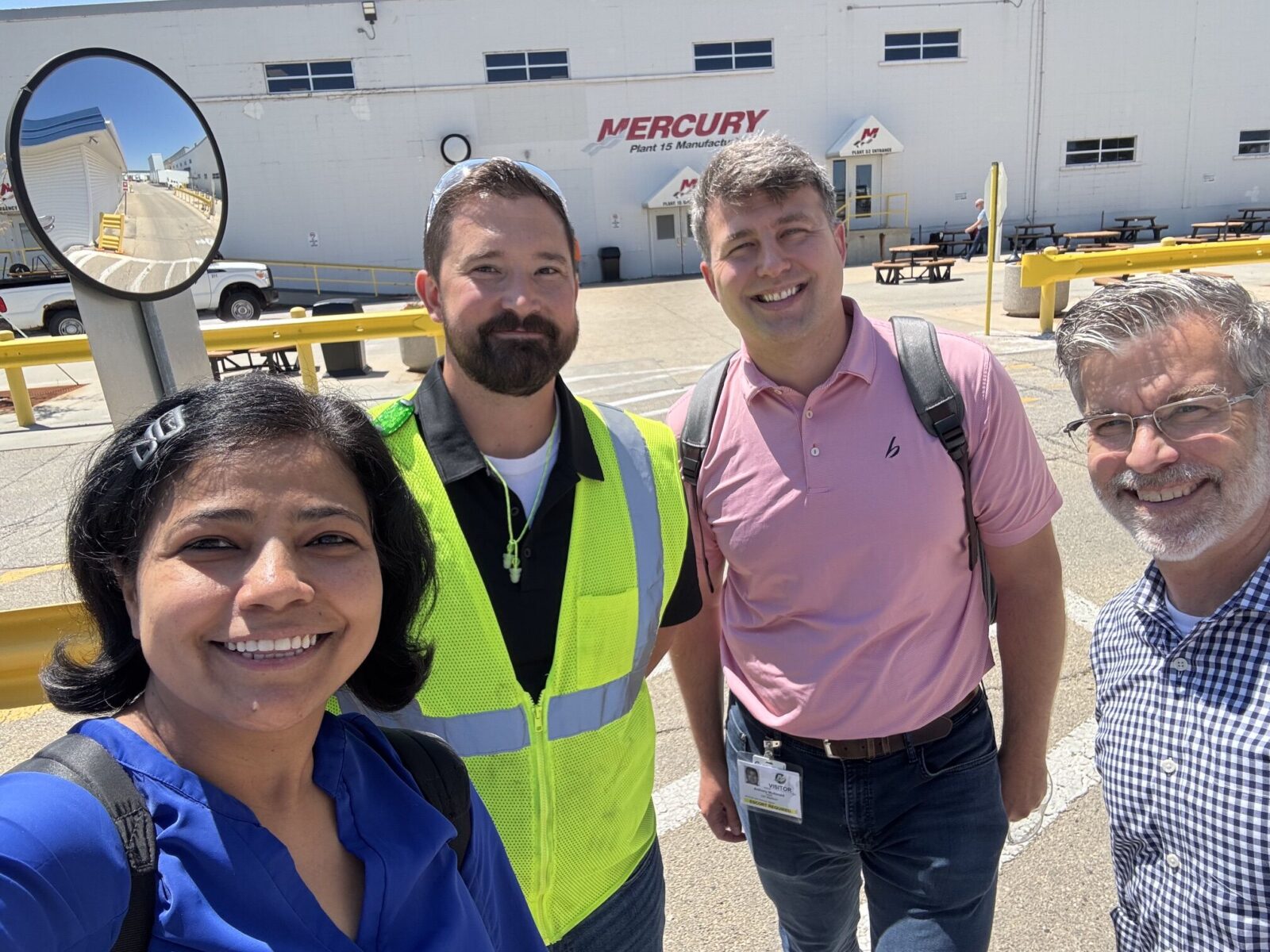
Connecting with people and hearing stories from industries across the state were noted highlights that have led to future relationships for HEART. The initiative has embarked on a traveling “industry roadshow” to different Wisconsin companies in their areas of interest, all of whom attended the summit. HEART’s leadership largely attributes the launch of their connections and the success of their conversations to their presence at WDM. Deepening those relationships through on-site meetings has provided insights for their research and offered a path forward for effective academia-industry collaborations.
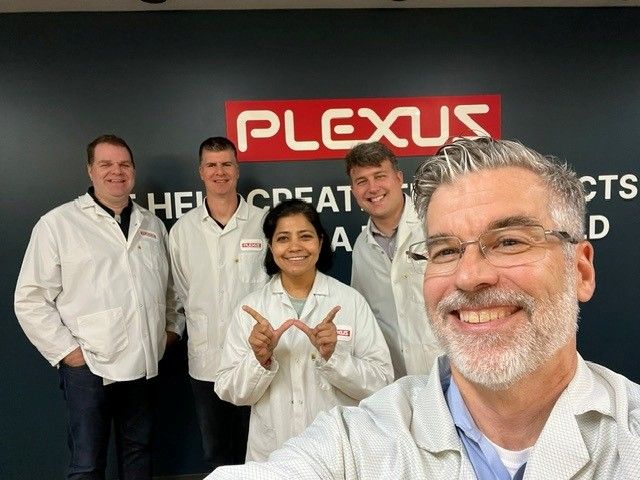
“When people are willing to open their doors and share, it makes the collaboration process a lot more feasible, a lot more interesting, and a lot more valuable from both sides. It’s kickstarted points of synergy between HEART and the industry in Wisconsin,” said McDonald.
The summit helped HEART better understand how companies are interested in collaborating with the College of Engineering and UW–Madison, and which models might be successful. It also guided academic researchers toward which industries might find value in their work, expanding possibilities beyond the traditional funding paradigms. Based on these conversations, HEART is now working on a Human Readiness Playbook that will help guide companies through the process of integrating new technology with their workforce, facilities, and processes. They will conduct a workshop on this playbook during the UWEBC summit and will make it freely available by the end of the year.
McDonald hopes they can continue to build on the momentum of WDM to bridge gaps between academia and industry in coming years: “Just since WDM, HEART has built a network that hasn’t happened for the last few years. There have been a lot of avenues opened up that wouldn’t have been possible without the summit. I’m really excited about the direction we’re going.”
• • •
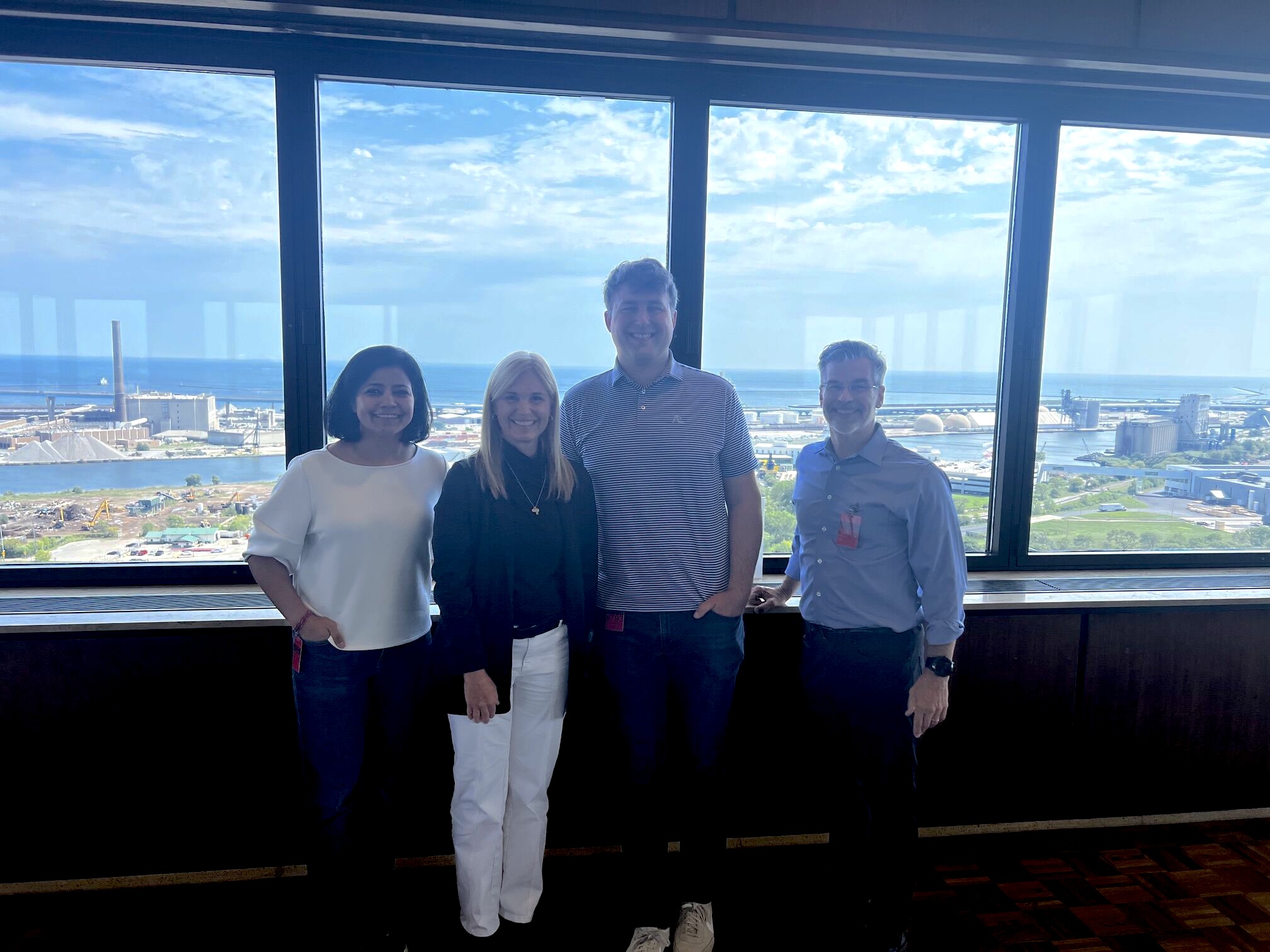
Featured image: From left to right, Ranjana Mehta (HEART), Yvonne Luzney (Rockwell), Tony McDonald (HEART), and Russ Johnson (UW–Madison Office of Corporate Relations) tour the Rockwell Automation clocktower in Milwaukee, Wisconsin.
Written by Bri Meyer.

Want to learn more?
Reach out to learn more about how the HEART Inititative can empower you, your workers, and your systems.